
 By
By 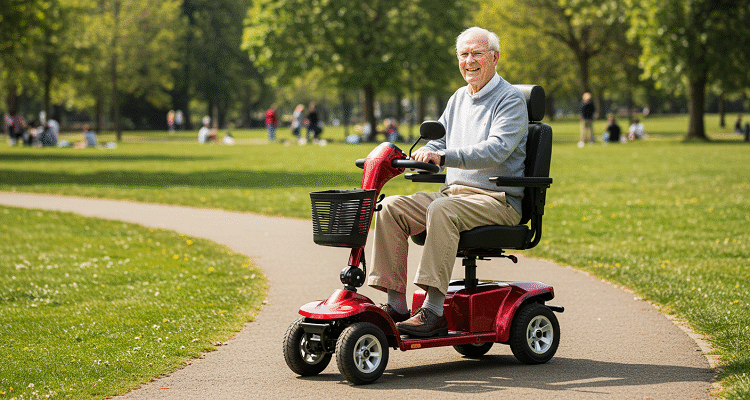
Getting older changes how the day feels. Walking across the room can take more time. Reaching a shelf can feel tricky. None of this means the day has to be hard. With a few smart choices, home can feel safer, and life can feel more free. This guide keeps it simple, with clear ideas that help right away.
Table of Contents
Why some tasks start to feel hard
Bodies change with age. Muscles shrink, joints get stiff, balance wobbles a bit, and vision is not as sharp. Meds can add to this, since some cause dizziness or make you feel weak. Small memory slips happen too, and that can make planning a day harder. Knowing this is normal takes away stress. When the reason is clear, the steps to fix it feel easier.
Small changes at home that help a lot
Home should do part of the work. Start with floors. Pick up loose rugs, or tape them down, so they do not slide. Keep walkways open, with cords tucked away. Add bright lights in halls, on stairs, and near the bed. Use night lights so late bathroom trips are safe.
In the bathroom, a raised seat and grab bars give steady support. Non-slip mats help feet stay put. In the kitchen, move daily items to waist height, so there is no need to climb or crouch. Chairs with arms make it easier to sit and stand. A reacher tool helps pick things up without bending. These are small fixes, yet they save energy all day.
Moving around, one safe step at a time
Good shoes matter more than most people think. Choose flat, closed shoes that fit well and grip the floor. If walking feels shaky, a cane or a walker can keep steps steady. A doctor or a physical therapist can check gait and suggest the right device. Short walks add up. Even five minutes, two or three times a day, keeps legs active and confidence up.
If longer trips are tiring, a mobility scooter can help. Some people wonder if Medicare covers this kind of device. The truth is, under certain conditions, Medicare will pay for a mobility scooter, but it depends on health needs and approval from a doctor. Checking the rules early saves a lot of time later.
Food, water, and rest make daily life smoother
Energy comes from what goes on the plate, and how much water goes in the glass. Aim for protein at each meal, such as eggs, yogurt, beans, or chicken. Add fruit and veg for fiber and vitamins. Keep water nearby during the day. Many older adults drink less because they do not feel as thirsty. A small cup every hour or so helps more than one big glass at night.
Sleep also drives energy. Keep a steady bedtime, dim lights before bed, and avoid long late naps. If snoring is loud or breathing stops, tell a doctor. Fixing sleep issues helps with mood, memory, and balance.
Simple exercise that does not feel scary
Movement does not have to be a gym session. Chair exercises are great. Sit, march in place, lift heels, lift toes, roll shoulders, and squeeze a soft ball for hand strength. Light stretches help stiff joints feel better in the morning. If going out feels safe, try a gentle class for seniors at a local center. Social time makes exercise more fun, and people keep going when friends show up too.
Strength work is key. Two or three short sets a week keep muscles from fading. Water bottles can be light weights. Sit to stand from a chair counts as leg work. Hold on to a counter for balance while standing on one foot. Stop if pain starts, and ask a pro for a plan that fits the body you have, not the one you had years ago.
Scooters, wheelchairs, and when they make sense
There are a few types of mobility devices. A cane helps with small balance issues. A walker gives a bigger base. A manual wheelchair works for short rides if someone can push, or if arm strength is good. A power chair fits tight indoor spaces when turning is hard. A scooter is great for longer trips in stores, parks, or malls, since it rolls fast and has a comfy seat.
The right tool depends on how far someone needs to go, how strong the arms are, and how narrow the home is. A professional, such as a physical therapist, can test turning space, talk through daily routes, and give advice that matches the home and the person. The goal is safe movement, not just getting a device.
Staying social keeps the brain and heart happy
Loneliness hurts health. It raises stress, and it can lead to less movement and worse sleep. Short daily chats help more than long rare visits. Call a friend in the morning, wave to neighbors during a walk, or meet a small group for tea. Many towns have senior centers with crafts, music, or gentle sports. Faith groups and libraries often run free events. Even one plan each week gives the mind something to look forward to.
Tech that helps without getting in the way
Some tools are simple and worth it. A phone with big buttons and clear sound makes calls easy. A watch or pendant that can call for help adds peace of mind when someone lives alone. Pill boxes with alarms cut down on missed doses. Smart speakers can set timers or remind about water breaks. Keep the tech list short, and pick items that solve a real problem, so the gear does not become another chore.
Doctors, checkups, and speaking up
A yearly check is not just a box to tick. It is a time to review meds, ask about side effects, and check vision and hearing. Poor vision raises fall risk, and hearing issues can make people pull back from friends. Bring a short list of questions to each visit. If forms or medical words feel confusing, ask a nurse to explain in plain terms. It is okay to ask, and it saves time later.
When more help is the right call
Look for signs that extra support would help. Falls or near falls. Food going bad in the fridge. Missed pills. Bills piling up. Confusion with dates and appointments. If these show up, talk as a family. A few hours a week from a helper can make a big difference. So can meal delivery or rides to the store. The goal is to support the person, not take over their life.
Keeping money in mind
Home changes, devices, and care hours have costs. Some programs in towns or counties help with grab bars, ramps, or rides. Charities may offer small grants. Pharmacy plans may cover parts of a device or a supply. Keep receipts, ask for itemized bills, and compare prices before buying large items. A social worker or a case manager can point to local help without charging a fee.
Safety tips that fit into daily life
Use a simple plan for the day. Morning stretch, short walk, lunch with protein, water breaks, rest, then a call with a friend. Keep a small bag near the door with keys, a phone, a list of meds, and a bottle of water. Post emergency numbers on the fridge. Set a weekly time to test smoke alarms. These tiny habits remove stress, so energy can go toward the parts of life that feel good.
Key takeaways and what to do next
Aging brings change, yet home can still be a place of comfort and pride. Clear floors, bright lights, and grab bars make rooms safer. Good shoes, short walks, and chair moves keep legs strong. Food with protein, steady water, and better sleep lift energy. Tools such as canes, walkers, or scooters help people go farther with less pain. Friends, calls, and local events keep the mind bright.
Pick one idea from this guide and try it this week. Move a daily item to an easy shelf, add a night light, or plan a five minute walk after lunch. Share questions with a doctor or a local therapist. If a friend or parent could use these tips, pass them on. Small steps today make tomorrow feel lighter, and that’s what makes everyday life easier.














Comments