
 By
By 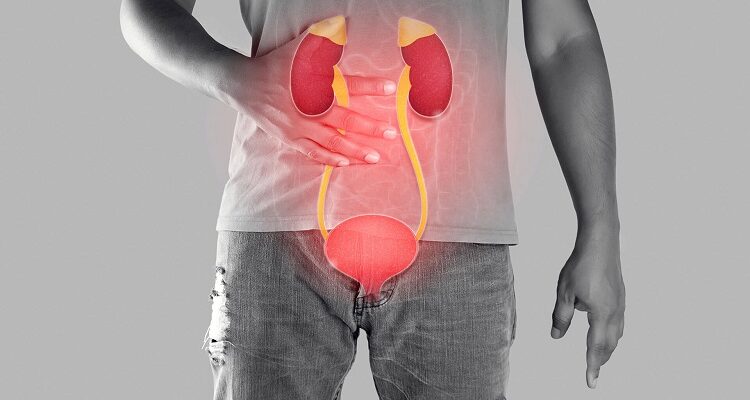
Cystitis, habitually known as a urinary tract infection (UTI), is a common health state that affects the bladder. It occurs when bacteria, often from the bowel, enter the urethra and travel to the bladder, causing inflammation and infection.
Cystitis can cause discomfort and pain, but with prompt treatment, it usually clears up quickly. Understanding the Cystitis symptoms, causes, and prevention strategies can help you take steps to protect your urinary health.
Table of Contents
Causes Of Cystitis
The primary cause of cystitis is a bacterial infection. Escherichia coli (E. coli) is the most common bacterium responsible for these infections. However, other bacteria can also cause cystitis.
While bacterial infection is the most common cause, other factors can contribute to cystitis:
Irritants
Certain substances, such as harsh soaps, spermicides, or feminine hygiene products, can annoy the urethra and bladder, leading to inflammation.
Trauma
Injury to the urethra or bladder, such as from sexual activity or medical procedures, can increase the risk of infection.
Symptoms Of Cystitis
The symptoms of cystitis can vary in severity from person to person. Common symptoms include:
Frequent urination
Feeling the need to urinate more often than usual.
Urgent urination
A sudden, intense urge to urinate.
Painful urination
A burning sensation or pain during urination.
Pelvic pain
Discomfort or pain in the pelvic area.
Cloudy or bloody urine
Urine may look cloudy or have blood in it.
Fever
In severe cases, a fever may develop.
Risk Factors for Cystitis
Several parts can increase your risk of developing cystitis:
Female gender
Women are more susceptible to cystitis due to the shorter urethra, which makes it effortless for bacteria to reach the bladder.
Sexual activity
Sexual activity can launch bacteria into the urethra, raising the risk of infection.
Poor hygiene practices
Improper wiping after using the toilet (wiping back to front) can introduce bacteria into the urethra.
Weakened immune system
A weakened immune system may make it harder for the body to fight off infection.
Certain medical conditions
Conditions such as diabetes and kidney stones can increase the risk of urinary tract infections.
Diagnosis of Cystitis
To diagnose cystitis, your healthcare provider may perform a urine test or urine culture. A urine test can detect the existence of bacteria, white blood cells, or more signs of infection. A urine culture can identify the particular type of bacteria that leads to the infection, allowing for targeted treatment.
Treatment Of Cystitis
Treatment for cystitis typically involves antibiotics to eliminate the bacterial infection. Over-the-counter pain alleviated, such as acetaminophen or ibuprofen, can help relieve pain and fever.
To alleviate symptoms and promote healing, it’s essential to:
Increase fluid intake
Drinking plenty of water can assist flush out bacteria and reduce irritation.
Avoid irritants
Limit or avoid caffeine, alcohol, and spicy foods, as these can annoy the bladder.
Prevention Of Cystitis
To reduce your risk of developing cystitis, follow these preventive measures:
Good hygiene practices
Wipe from front to back after using the toilet to prevent the spread of bacteria.
Drinking plenty of water
Stay hydrated to help flush out bacteria.
Urinating frequently
Don’t hold your urine for too long.
Avoiding irritants
Limit or avoid substances that can annoy the bladder.
By understanding the causes, symptoms, and prevention strategies for cystitis, you can take steps to protect your urinary health and lessen your risk of infection. If you experience symptoms of cystitis, it’s essential to consult a healthcare source for proper diagnosis and treatment.
When To See A Doctor
While cystitis can often be uncomfortable, it’s usually a manageable condition. However, there are situations where seeking medical attention becomes crucial. Here’s when to see a doctor for cystitis:
Symptoms persist despite treatment
If you’ve tried home remedies and over-the-counter pain relievers for a few days and your symptoms don’t improve, it’s important to consult a doctor. This could indicate a more serious underlying condition.
Blood in your urine
While occasionally a small amount of blood may appear due to irritation, persistent or heavy blood in your urine warrants a doctor’s visit.
Pelvic pain
While some discomfort in the lower abdomen is common with cystitis, severe or persistent pelvic pain can be a sign of a different issue.
Fever
A fever, especially with chills or nausea, can indicate a more widespread infection beyond the bladder and needs medical evaluation.
Frequent UTIs
If you experience recurrent UTIs, even after practicing preventative measures, your doctor might need to investigate potential underlying causes like anatomical abnormalities or bladder stones.
Pregnancy
Cystitis during pregnancy requires prompt medical attention to prevent complications for both mother and baby.
By seeking timely medical advice, you can ensure proper diagnosis and treatment of cystitis, preventing potential complications and ensuring a speedy recovery.
Conclusion
Cystitis, while a common condition, can be uncomfortable and inconvenient. By understanding the causes, symptoms, and prevention strategies, you can take steps to lessen your risk of developing this infection. If you experience symptoms of cystitis, it’s essential to seek medical advice for real diagnosis and treatment. Remember, early intervention can help reduce symptoms and prevent complications.
Take Charge Of Your Urinary Health
For more information on cystitis and urinary tract health, visit the website of the Department of Urology, Faculty of Medicine at www.rama.mahidol.ac.th.















Comments